


A Reminder that Community Support Is Critical to Turning Opportunity into Reality
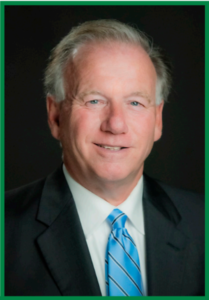

The 2026 Good Roads Business Meeting was held in Little Rock on November 12. The discussion this year focused on the budget and policy issues surrounding road funding and development. ARDOT Director Jared Wiley and Speaker of the House Brian Evans gave keynote addresses. We also hosted a political panel looking at the results of the election and the rapidly approaching 2027 legislative session.
There is a great deal to be optimistic about right now in Arkansas. The Northeast corner of the state has become the steel capital of the country, with five major steel mills; lithium mining in Southwest Arkansas is creating jobs and optimism; and the Little Rock Port has two new major employers working to create 1,000 jobs. After years of Northwest Arkansas dominating the growth discussion with more than 300,000 jobs and a 2% annual job growth rate, the playing field has somewhat leveled out.
But while growth creates optimism, there are plenty of real issues to worry about. All are layered under the broad question: are we keeping up with the education, job training, housing, and infrastructure systems desperately needed to keep this complex job creation effort moving in the right direction?

ARDOT Director Jared Wiley started the morning session by thoughtfully laying out the reality that infrastructure development revenue coming into the department is flat, and inflation is driving the cost of all road and bridge projects up dramatically. Good Roads members across the state are paying close attention to what Congress will do in terms of infrastructure funding, and if new sources of road revenue can be found in Arkansas in the next couple of years.

Representative Brian Evans, the Speaker of the Arkansas House, spoke at the meeting. His first job in life was working for an asphalt supplier. His career has been in freight logistics. For those of us in the Arkansas infrastructure world, he is an ally who understands that our country functions by putting cargo on roads each day and getting it to households across the country. But as Speaker, he also knows the looming Medicaid discussions during the 2027 legislative session will dominate the discussion.
Helping all Arkansans find access to health care is vitally important and fiscally complex work. It’s also a reminder that health care, roads, education, and prisons are in many ways competing for the same dollar in crowded legislative hearing rooms.
While Good Roads was meeting in Little Rock, the Northwest Arkansas Council had gathered 206 miles away, where council members made it clear that infrastructure development is by far its number one priority. In that conversation, infrastructure means roads, bridges, sewer and water system upgrades, and affordable housing availability. Every region in the state has issues like this, but this council was formed and funded to specifically worry about Northwest Arkansas. The council is influential and strategic and should be leading conversations like this. Every region of the state should be doing the same thing.

Council President and CEO Nelson Peacock says the region has six billion in infrastructure needs through 2050 and roughly half of that has funding. Peacock says the reality is that Northwest Arkansas is going to have to find infrastructure funding locally, outside of the state and federal funding it gets.
As state officials talk about Medicaid, and NWA officials focus on regional issues, it’s clear that consensus on how to best prepare for the future will not always be easy to find.
Each region has different challenges. In Northeast Arkansas, many of the people taking high-paying jobs at the steel mills can’t find affordable local housing, and workers live in RV’s and shared apartments during the work week and then go “back home” on weekends.
More than ever, education and job training are a critical piece of building the workforce the private sector needs to bring its manufacturing facilities and high-paying jobs to Arkansas. How school districts build programs to fast-track young people into jobs, and how the private sector works to help young people understand those jobs, are issues that are not going away.
The Be Pro Be Proud program developed by the Arkansas State Chamber of Commerce is attracting national attention as other states sign on to new ways of connecting recent high school graduates with high-paying manufacturing jobs. The state chamber and the Northwest Arkansas Council are both Good Roads members in the middle of the effort to find new approaches to old problems.
As our members lead the jobs and infrastructure development conversation, we also have to work together in 2027 to talk more about the jobs and economic growth that Good Roads members are collectively creating every day. The best way to tell any story is with solid data points built on jobs created and community tax revenue generated.

And as all these discussions take place, we are only a couple of weeks removed from the failure of Issue 3 at the ballot. Supporters believed the creation of this economic development tool would have made it easier for any community, no matter how small or large, to attract new development that would drive the local economy. Forty-eight states have a version of this; Arkansas voters said no. A political consultant said recently, “I’m very worried about this populist message that economic development is a bad thing.”
Walmart has an annual event called Open Call. Entrepreneurs come from around the country with new products, and they are given time with Walmart buyers to pitch their products. It’s exciting and fun and captures the core of what Walmart means to people trying to bring new products to market. When a small company does a great pitch and is offered shelf space, it is celebrated immediately. There are cheers and hugs and tears of happiness. Sam Walton would have loved all of it.
But Open Call is somewhat like an Arkansas community getting a new employer. Once the cheering and high fives are done, reality sets in: how to ramp up production to supply Walmart is not a simple process. After excited local officials announce a new employer coming to town, the complex work really starts: getting employers the trained workforce, housing, roads, utilities, and incentives needed to actually get the door open.
All of these challenges facing our state are deeply intertwined, and all will have to be strategically addressed and allocated funding. But without a unified approach and real investment in education, roads, job training, healthcare, and water systems now, new opportunity today might not become reality later.
If you are not involved in what Good Roads is doing, we would very much like to have you join the organization. More than ever, this is a time for the companies and people who build, design, fund, and put cargo and trucks on our roads to have a voice in the discussion.


Comments